
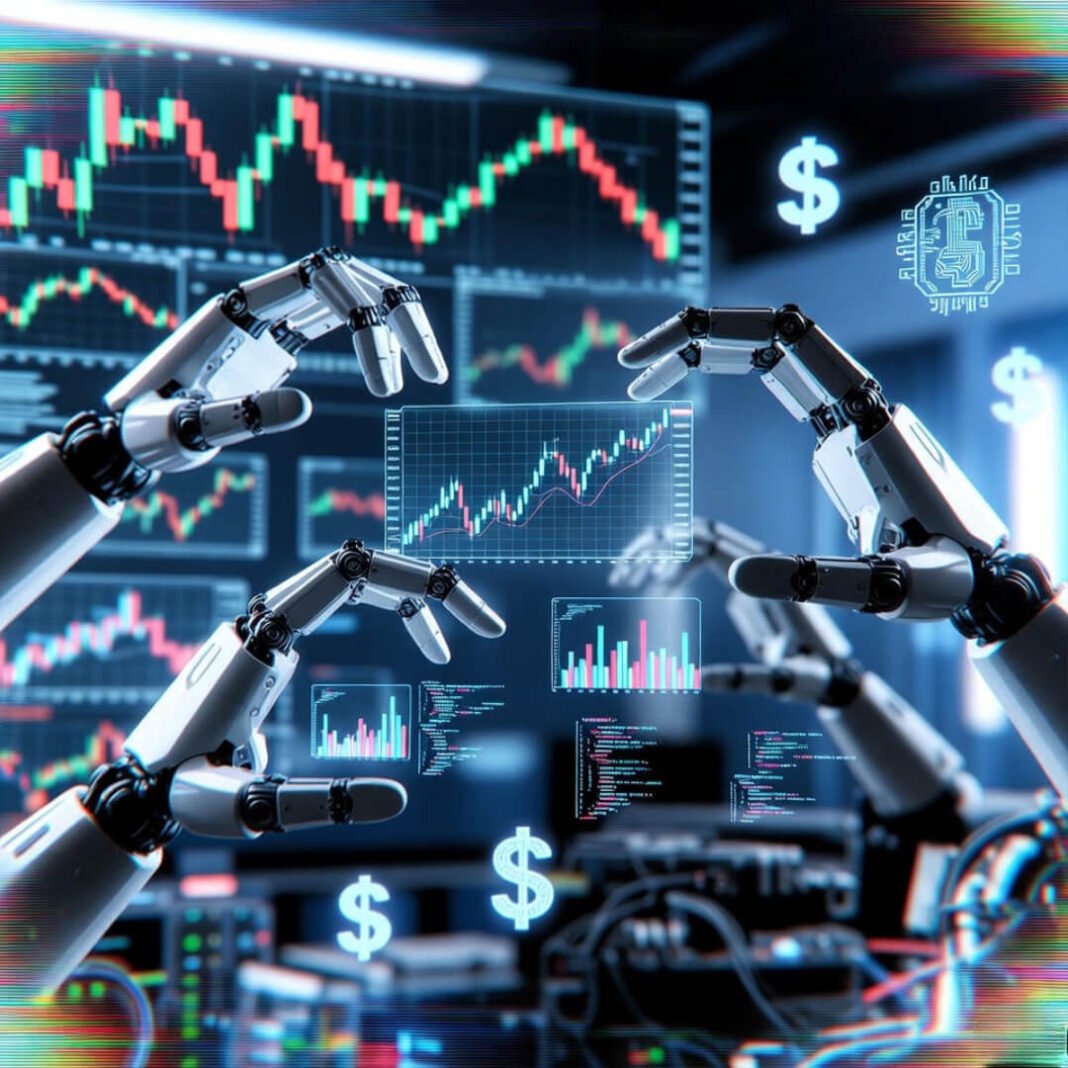
Algorithmic trading explained in the simplest way I can put it: it’s basically letting computers—smart little bots—make trades for you faster than any human ever could. I got sucked into this world about two years ago, sitting right here in my cramped Brooklyn apartment with the radiator clanking like it’s judging me, thinking I was gonna outsmart Wall Street. Spoiler: the bots beat me, like, repeatedly. But whatever, that’s how I actually learned what algorithmic trading really is.
I remember my first algo trade so clearly it’s embarrassing. I’d just moved to this place—view of a brick wall, December chill seeping through the windows even now in 2025—and I coded this super basic moving-average crossover strategy in Python after watching way too many YouTube videos at 3 a.m. Fired it up on a paper account first, felt like a genius when it printed money. Went live with real cash (not much, but still my coffee-fund money), and within two days a random news spike wrecked it. Lost 8% in like six minutes. I just stared at the screen, cold takeout pizza getting colder on the desk, wondering why my human brain couldn’t react that fast. That’s when it hit me—these algorithmic trading bots literally don’t sleep, don’t panic, don’t check Twitter mid-trade.
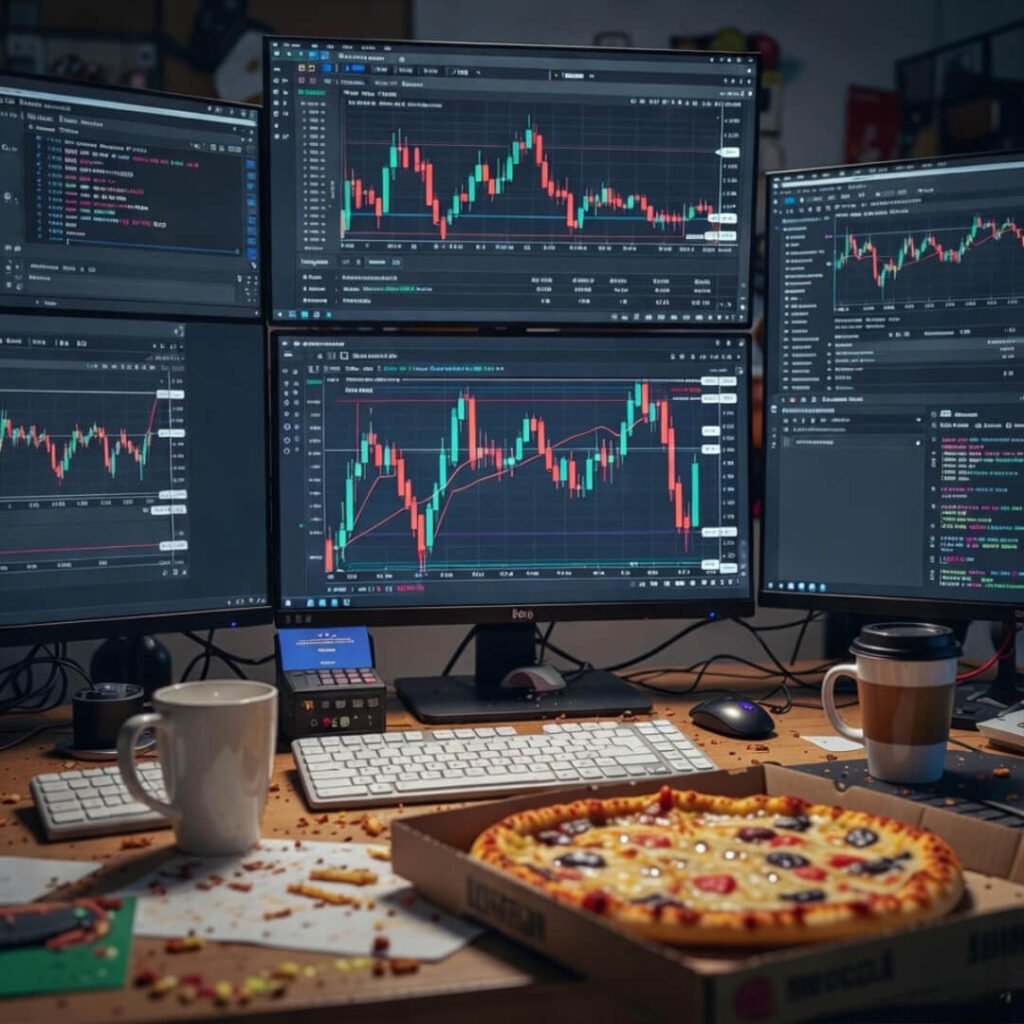
Why Algorithmic Trading Bots Beat Humans Most Days
Look, I’m not some quant PhD. I’m just a regular dude in the US who got obsessed. But here’s the raw truth about why algo trading dominates: speed and discipline. High-frequency trading firms have servers co-located right next to exchanges—ping times measured in microseconds. My setup? Decent gaming PC and Starbucks Wi-Fi when the apartment connection flakes. No contest.
- They execute thousands of trades per second without hesitation.
- Zero emotion—no revenge trading after a loss (guilty).
- Backtesting on decades of data means they’ve “seen” almost every market condition.
I tried copying some open-source strategies from GitHub. One momentum bot did great in 2023 bull runs, then got absolutely shredded in the choppy mess of early 2025. That’s the contradiction I live with: algorithmic trading is powerful as hell, but it’s also fragile if you don’t constantly tweak it.
My Biggest Algo Trading Mistakes (So You Don’t Repeat Them)
Seriously, I’ve made them all. Overfitting is my personal nemesis. I’d curve-fit a strategy to historical data until it looked perfect—90% win rate, tiny drawdowns. Felt amazing. Then live markets laughed. Real talk: markets change, news happens, black swans show up. My worst was last summer—I ignored transaction costs in backtesting, thought I had a killer scalping algo. Reality? Slippage and commissions ate half the profits. Ended up down even though the “strategy” was supposedly profitable.
Another dumb one: I once left a bot running overnight while I crashed on the couch with Netflix still playing. Woke up to a margin call because volatility spiked on some Fed rumor. Heart-pounding moment, radiator still clanking, December cold making me shiver harder. Lesson learned—always, always set hard stops and position limits.
How I’m Slowly Getting Better at Algorithmic Trading
These days I keep it simple. Mean-reversion on ETFs during low-vol periods, nothing fancy. I use free tools like Alpaca for execution (shoutout to their API docs—saved my butt), and I backtest obsessively but now with out-of-sample data and Monte Carlo simulations. Still lose sometimes, but the wins feel earned now.
Pro tip from my scarred experience: start paper trading for months. Read everything from Ernie Chan’s books (Quantitative Trading is gold) to random QuantConnect forums. And for God’s sake, size positions tiny—1% risk max per trade. I ignored that early on and paid dearly.
Here’s a quick list of resources that actually helped me (not sponsored, just real):
- QuantConnect – free backtesting platform I still use daily
- Alpaca – commission-free API for us retail folks
- Backtrader – Python library that doesn’t make me want to cry
- Ernie Chan’s blog posts on algorithmic trading strategies
Wrapping This Ramble Up
Anyway, that’s my unfiltered take on algorithmic trading explained through all my screw-ups and small wins. The bots usually beat the market (and definitely beat emotional humans like me), but there’s still room for regular people to play if you treat it like a craft, not a get-rich-quick scheme. I’m sitting here tonight, same radiator noise, same brick-wall view, but now my bot’s quietly running a conservative strategy while I type this. Feels… cautiously good?
If you’re thinking about dipping in, start small, learn Python if you haven’t, and paper trade until you’re bored. Hit me up in the comments if you’ve got war stories—misery loves company, right? Let’s chat algo trading wins and epic fails.